
Key points
- Most “unexpected” bills are only unexpected in their timing.
- A small buffer and a few sinking funds can cover many of them.
- Putting a bill on a credit card adds interest that grows the longer it stays.
- If a bill is too big to cover, free and confidential help exists.
Planning for unexpected expenses
Here’s the honest truth about unexpected expenses. Some of them are coming. You just don’t know when. Accept that, and you can plan for it. A small emergency fund, plus money set aside for the predictable stuff like car servicing or home repairs, can stop a surprise bill from turning into new debt.
Think about it. Car repairs, dental work, a dead fridge, a leaking roof. None of these are actually rare, and over a few years most households get hit with several. So planning isn’t about guessing the exact bill. It’s about having somewhere for it to land.
The three big categories
Medical and dental
Health costs vary a lot from country to country. Some countries cover most care publicly. Others lean on insurance, and the patient pays things like co-payments, deductibles or gaps. Check what your own cover leaves out, since dental, optical and specialist care can fall outside it.
Start by knowing what your insurance or public system covers, and what it doesn’t. When a bill arrives, check it line by line against the care you actually got. Mistakes happen.
Some providers offer payment plans. If you’re looking at one, read the terms closely, including any interest or fees if you miss a payment.
Car
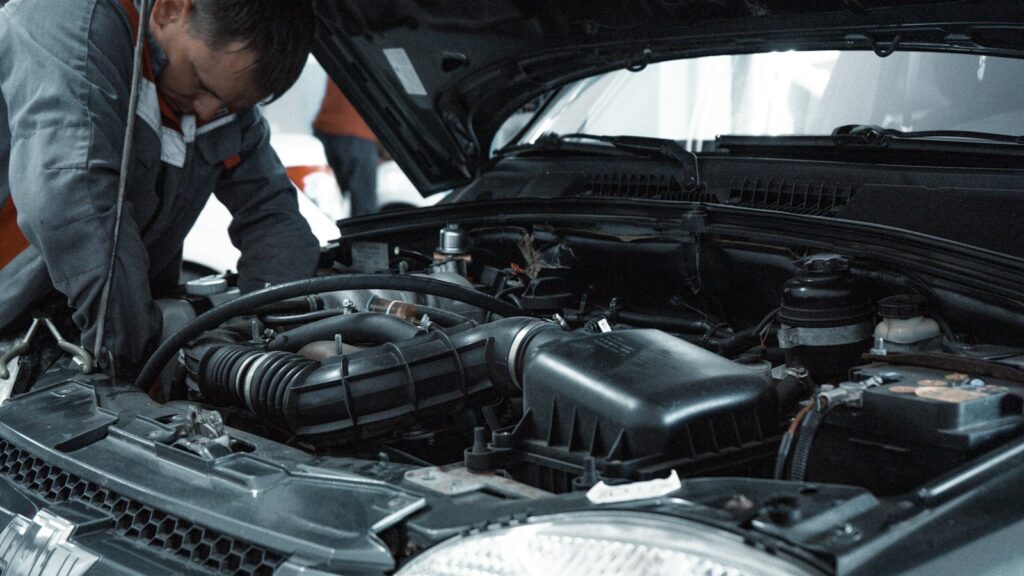
Fuel is only the start. Cars bring a steady stream of other costs: servicing, tyres, brakes, batteries, registration and insurance. Older cars tend to need more.
So stop treating car costs as surprises. They’re a regular expense. Put a fixed amount aside each month for upkeep, and the next service or set of tyres is already paid for before it shows up.
Home
If you own your home, you’re on the hook for roofs, hot water systems, plumbing and appliances. Renters get off lighter on repairs. But you still face appliance breakdowns, moving costs and gaps around a bond or deposit.
Some homeowners set aside a small share of the home’s value each year for maintenance. How much makes sense depends on how old the place is and what condition it’s in.
What borrowing for a surprise bill costs
With no buffer, a surprise bill often ends up on a credit card. Here’s what that can cost you.
Assumptions:
- Bill: $2,000, paid on a credit card
- Rate: 22% a year, charged monthly
- No other spending on the card
The same maths works in any currency.
| Monthly repayment | Time to clear | Total interest |
|---|---|---|
| $100 | 2 years 2 months | $514.31 |
| $200 | 1 year | $229.80 |
At $100 a month, that $2,000 repair ends up costing you $2,514.31. And if another surprise lands before the first one is cleared, the balances start to stack.
Higher-cost options like payday loans or cash advances can cost far more. Our guide to payday and high-cost loans explains why.
Building a buffer for unexpected expenses
You don’t need a big sum to get going. Small amounts grow. $25 a week builds $1,300 in a year. $50 a week reaches $2,000 in 40 weeks.
There are two common ways to hold the money. One is a single emergency fund for anything that goes wrong, which is simple to manage. Our guide on how big an emergency fund should be covers how to size it. The other is a set of separate sinking funds for costs you know will come eventually, like the car, the house, health or pets, each with its own target.
Plenty of people use both. The sinking fund pays for the car service you knew was due. The emergency fund is there for the truly unexpected, like losing your job.
Keep the money somewhere separate from your everyday account, but easy to reach. Out of sight enough that you won’t spend it. Close enough that it’s there when you need it.
When a bill is already here
If a bill has landed and you can’t cover it:
- Check what’s actually due and when. Some bills give you more time than it first looks.
- Look at what you already have. Savings, a tax refund on the way, or things you could sell.
- Compare the total cost of any borrowing before you choose it, not just the repayment.
- Get free help early if it’s more than you can manage. Free debt help is confidential and can talk through your options with you.
Common questions
How much should I save for unexpected expenses?
That depends on your costs, how steady your income is and what your insurance covers. Many people start small, say one month’s essential costs, and build from there.
What counts as an unexpected expense?
Car repairs, medical and dental bills, home repairs and appliance breakdowns are the usual ones. Most are predictable over a few years, even if the timing isn’t.
Is it OK to put an emergency on a credit card?
Lots of people do when there’s no buffer. But interest piles up the longer the balance sits there. Compare the total cost and clear it quickly, and you’ll keep that cost down.
Try it
The emergency fund calculator helps you set a target for your buffer. The savings goal calculator shows how long it could take to get there.
General information only, not financial advice. Your situation is your own.
Emergency fund calculator
Read next
 Life and moneyHolidays and Christmas without new debtHow to avoid Christmas debt: what holiday spending on credit really costs, how to save for it through the year, and ways to keep gifting fun.Starting out5 min read
 Life and moneyMoving out on your own: the real costsMoving out costs more than the rent. Here are the upfront and ongoing costs people often miss, with a worked example to help you plan.Starting out5 min read
 Life and moneyMoney for students and new graduatesPractical money tips for students and new graduates: budgeting on a small or uneven income, using credit carefully and handling your first full pay.Starting out4 min read